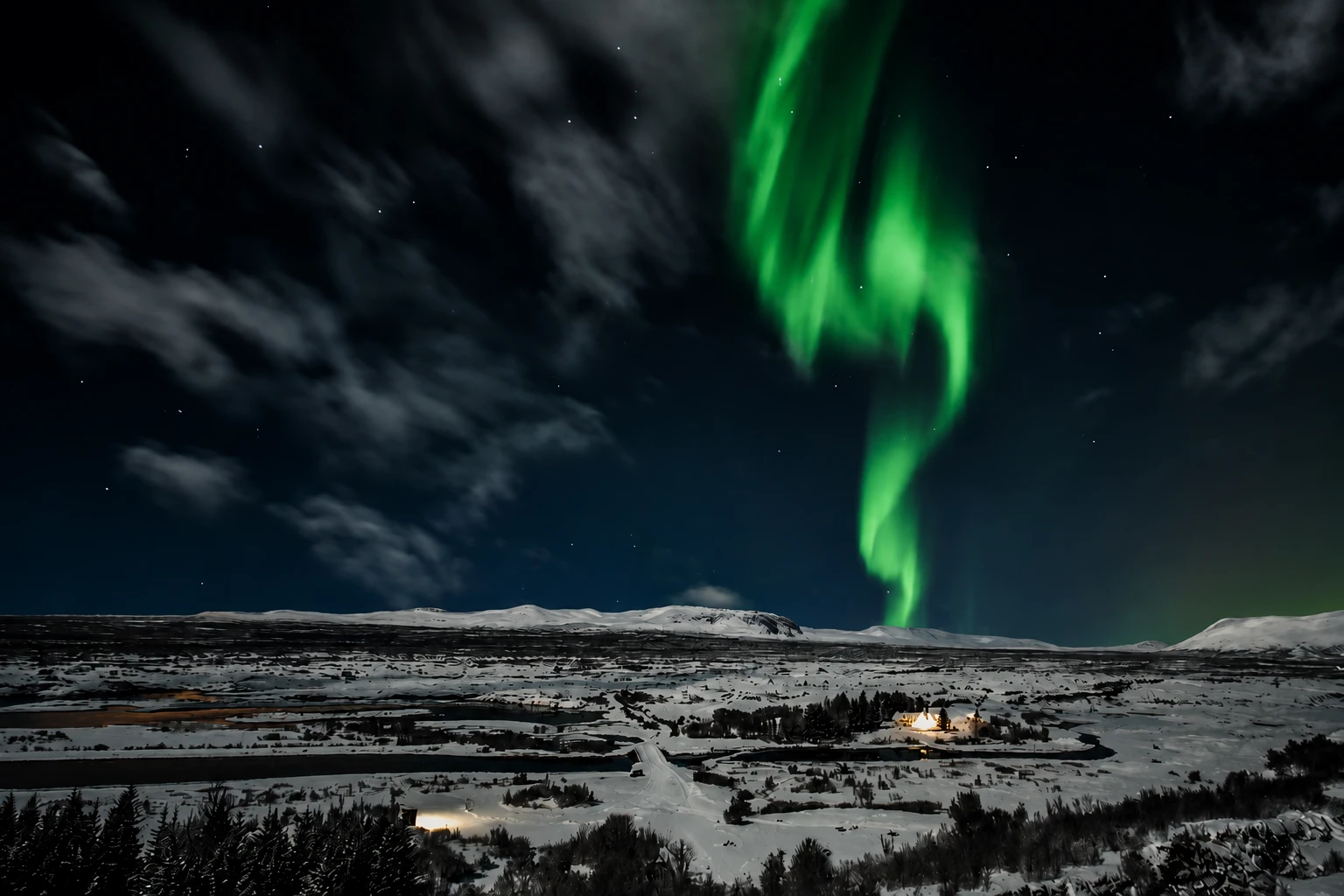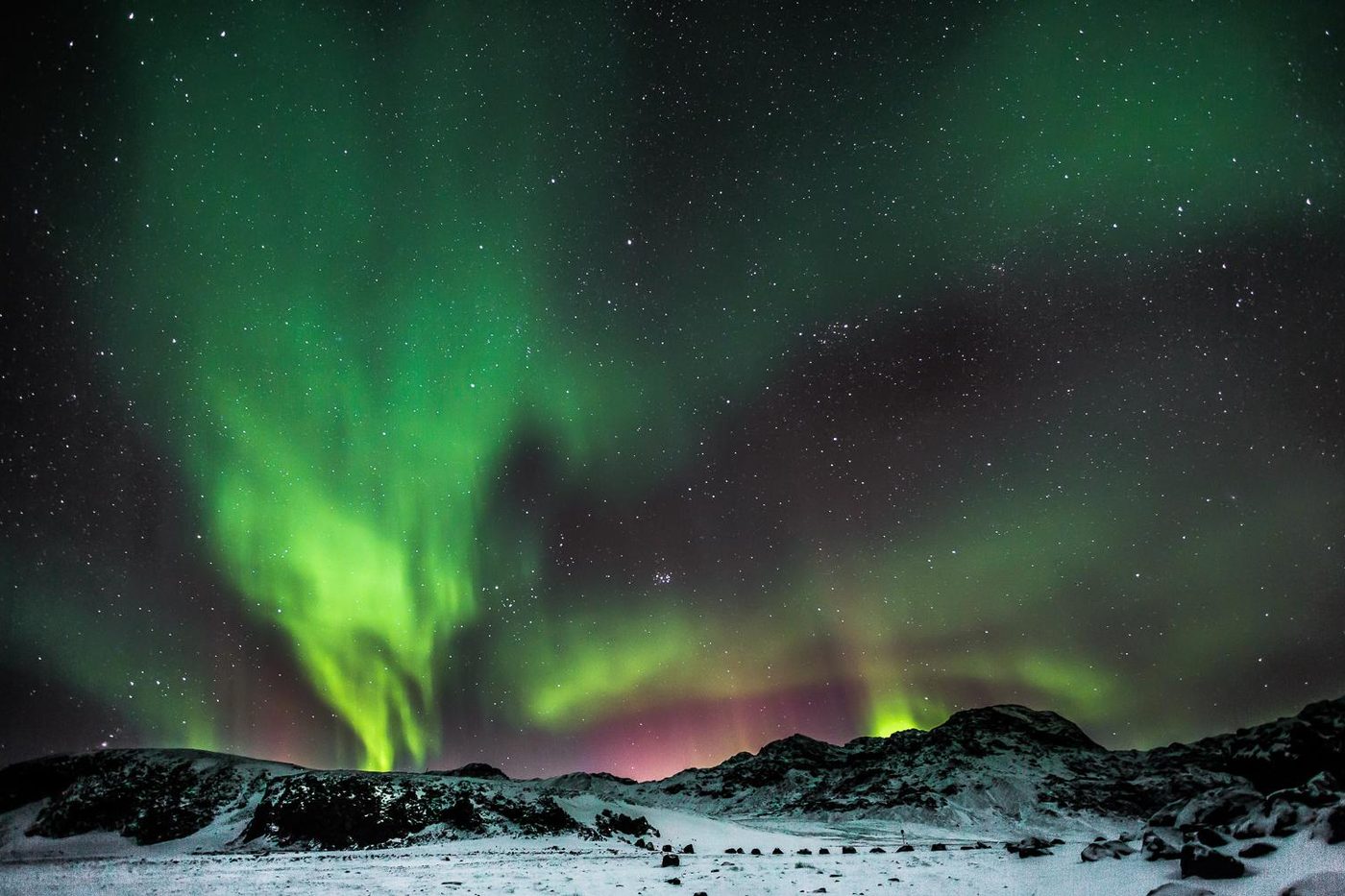
Northern lights over a dark landscape in Iceland during aurora season

Best Time to See the Northern Lights in Iceland

Dark skies, clear weather and a bit of luck

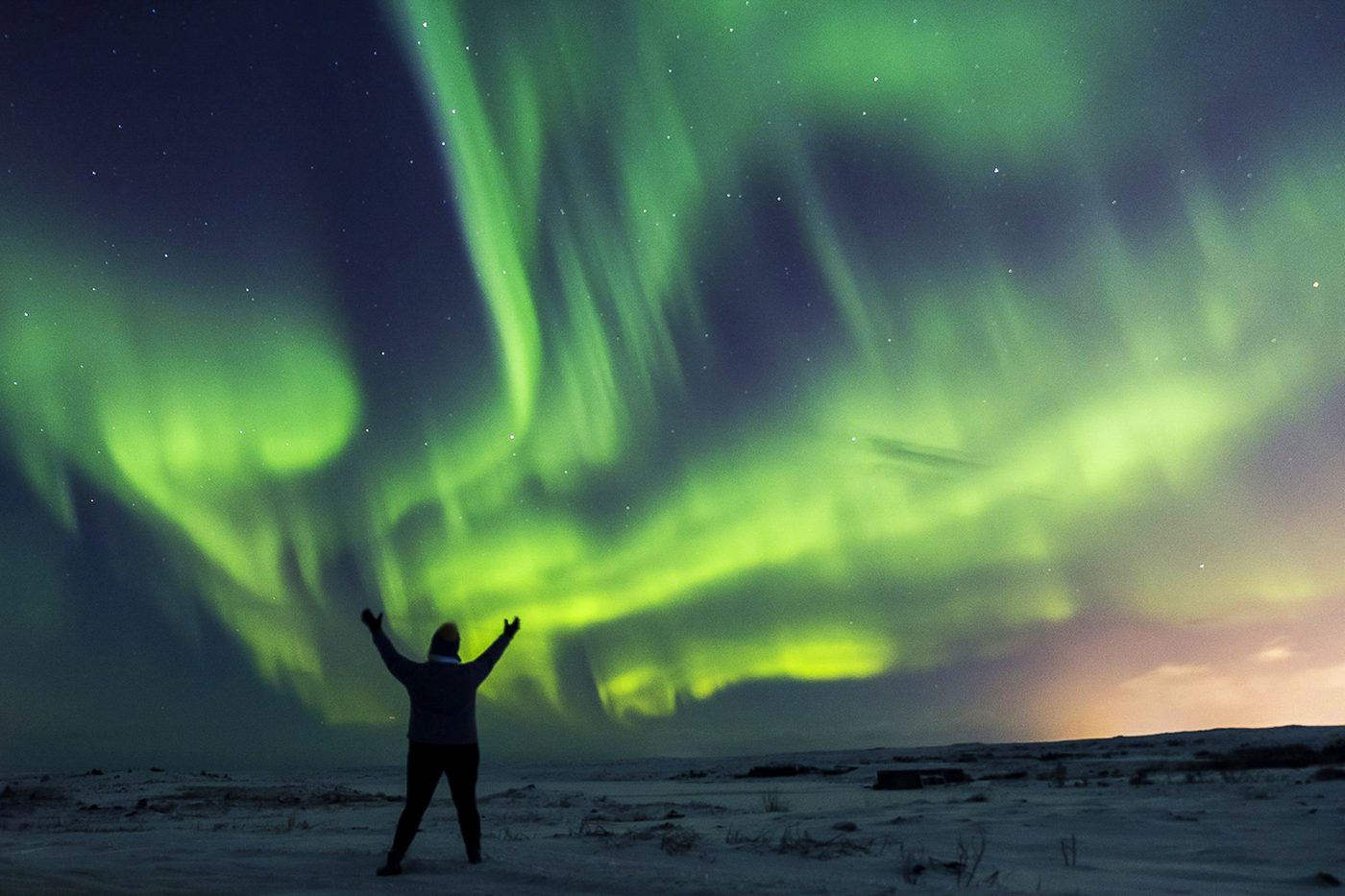
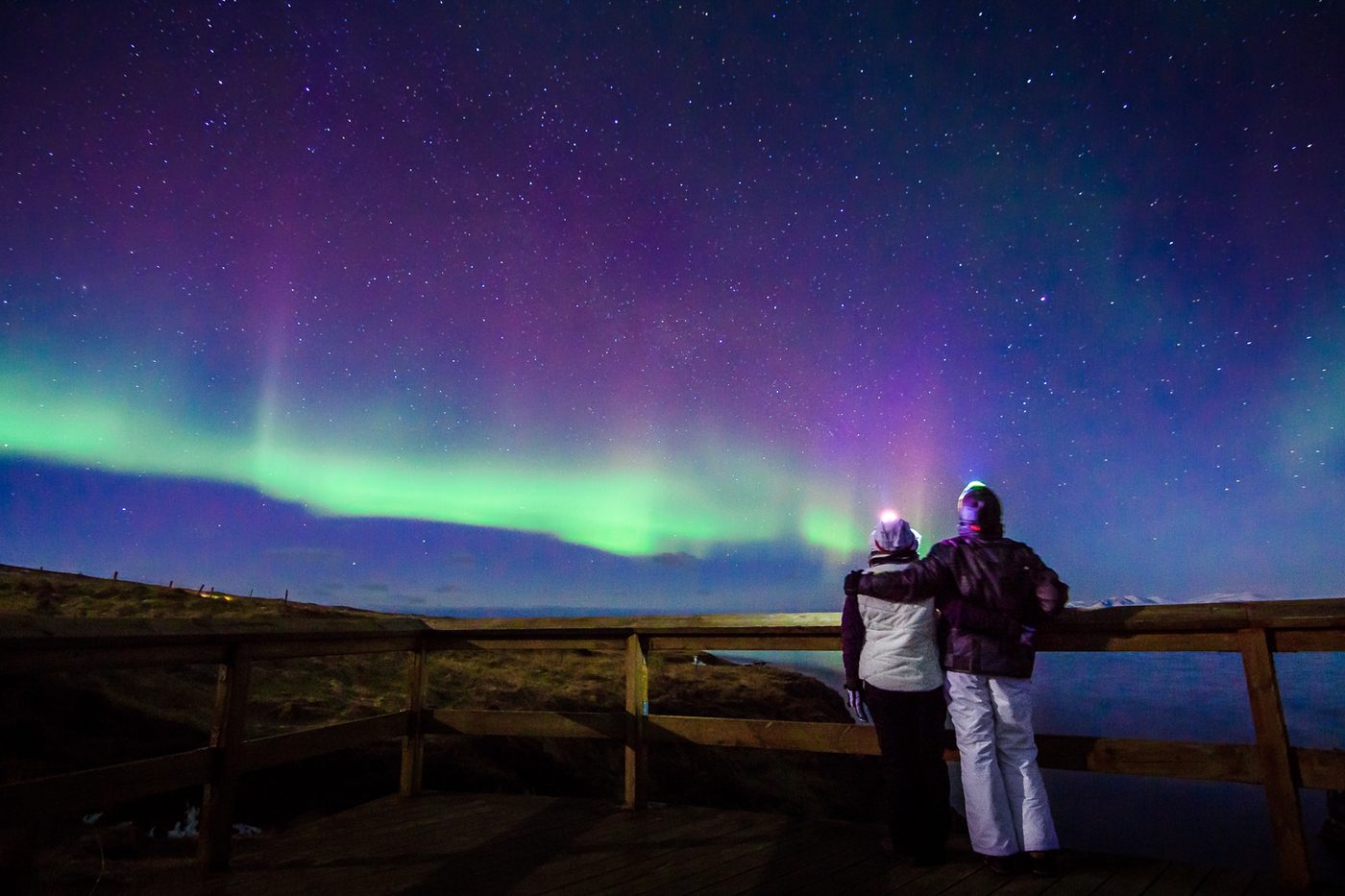
The northern lights shine over Iceland all year, but you can only see them when the sky is dark and clear. That gives a season from September to mid-April, and within it some months, and some hours of the night, are better than others.
The northern lights season

Aurora tours from Reykjavik run from roughly early September to mid-April. From May to August the nights are too bright: in June the sun barely sets. Within the season there is no single best month; each trades darkness against weather.

Month by month

MonthDarknessWeatherWorth knowing
SeptemberDark from about 9–10 pmMild, autumn coloursEquinox activity, roads easy, first tours of the season
OctoberLong nightsChangeable, coolerA strong all-round month, fewer crowds than winter
NovemberVery long nightsOften stormyGood value, but more cancellations
DecemberLongest nightsStormy, snowChristmas lights, busiest and priciest around New Year
JanuaryVery long nightsColdest, windySnowy scenery, quieter after New Year
FebruaryLong nightsCold, often clearerA favourite for many guides
MarchDark from about 8–9 pmMilder, brighter daysEquinox activity, a strong month
AprilShort nightsSpringSeason ends mid-month

The best time of night

Activity often peaks between about 10 pm and 2 am, which is why tours leave Reykjavik at 8 to 9 pm. The lights can appear earlier or later and often come in waves, with quiet spells in between. Do not give up after the first half hour.

Kp index and cloud cover

The Kp index (0 to 9) measures geomagnetic activity. Iceland sits under the auroral oval, so even Kp 2 or 3 can give a good show. A high Kp does not help if it is cloudy, which is why guides watch the cloud cover forecast from the Icelandic Met Office at least as closely. As a rule: clear skies with Kp 2 beat cloudy skies with Kp 5.

Moon and solar cycle. A full moon brightens the sky and hides weak displays, but strong auroras still shine through. The sun passed the peak of its 11-year cycle around 2024 to 2025, and activity typically stays high for a couple of years after a peak, so 2026 and 2027 remain good seasons.

How to plan your nights

Tours to book once you have chosen your dates

All run nightly through the season when the forecast allows.

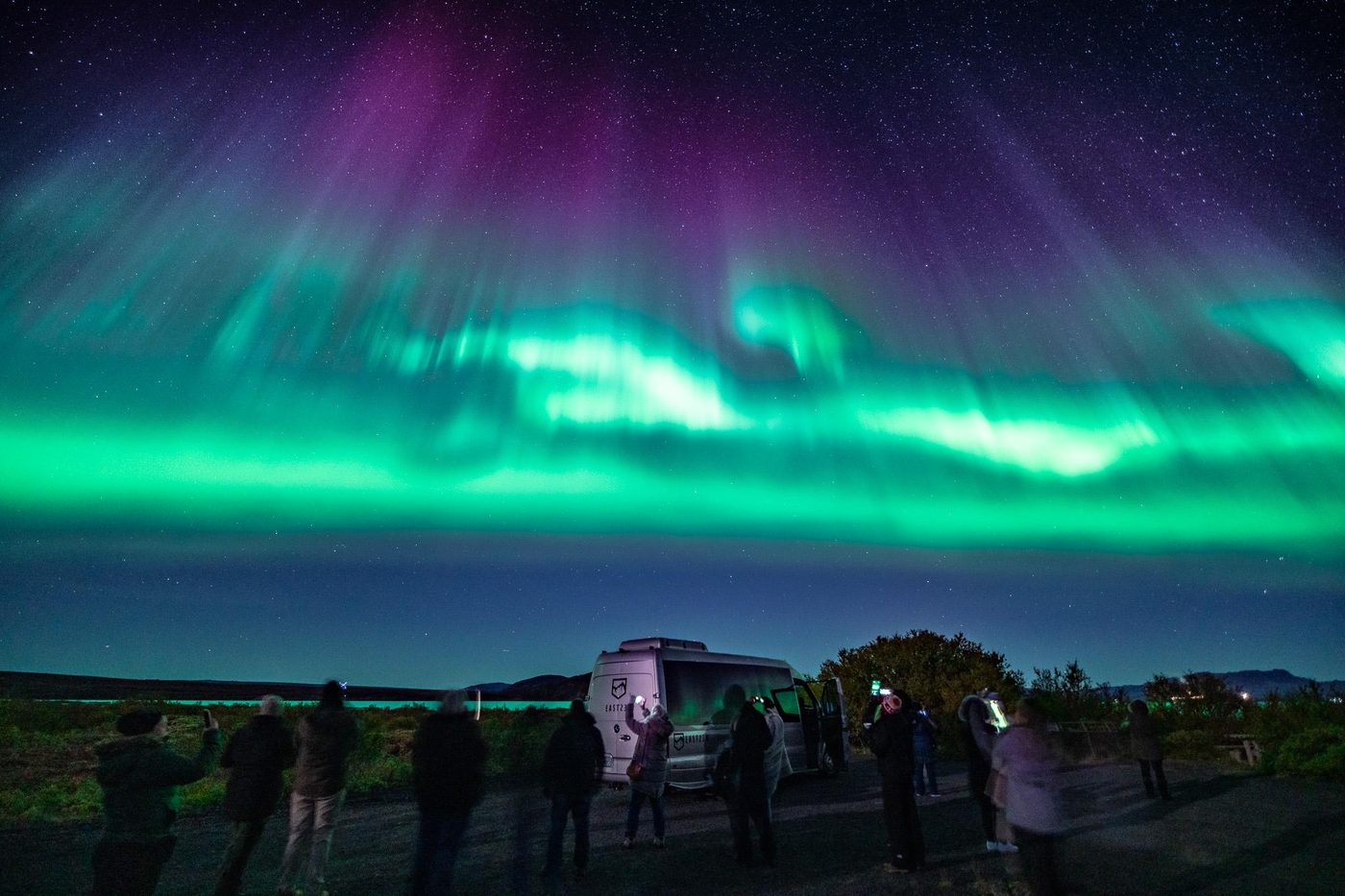
Tour coach parked under green northern lights outside Reykjavik
Budget

Northern Lights Bus Tour with Hot Cocoa

★★★★★ 4.2 · 15,280 reviews

  • 4 hours
  • from $81
  • Reykjavik pickup

The most-booked aurora tour in Iceland by a long way. A large heated coach takes you out of the city to whichever dark spot has the clearest sky that night, the guide explains what you are looking at, and hot cocoa keeps you going while you wait. It is the cheapest guided option and a sensible first hunt; the trade-off is sharing the viewing spot with a full coach.

Check availability
Small group watching green northern lights next to a minibus
Small group

Small-Group Premium Northern Lights Tour by Minibus

★★★★★ 4.4 · 3,211 reviews

  • 4 hours
  • from $113
  • Reykjavik pickup

The most popular small-group hunt from Reykjavik. A minibus with a limited number of guests means the guide can take smaller roads, move quickly when the forecast changes and stop where a coach cannot. Expect more personal attention and help with camera settings. A good step up from the big bus without a big jump in price.

Check availability
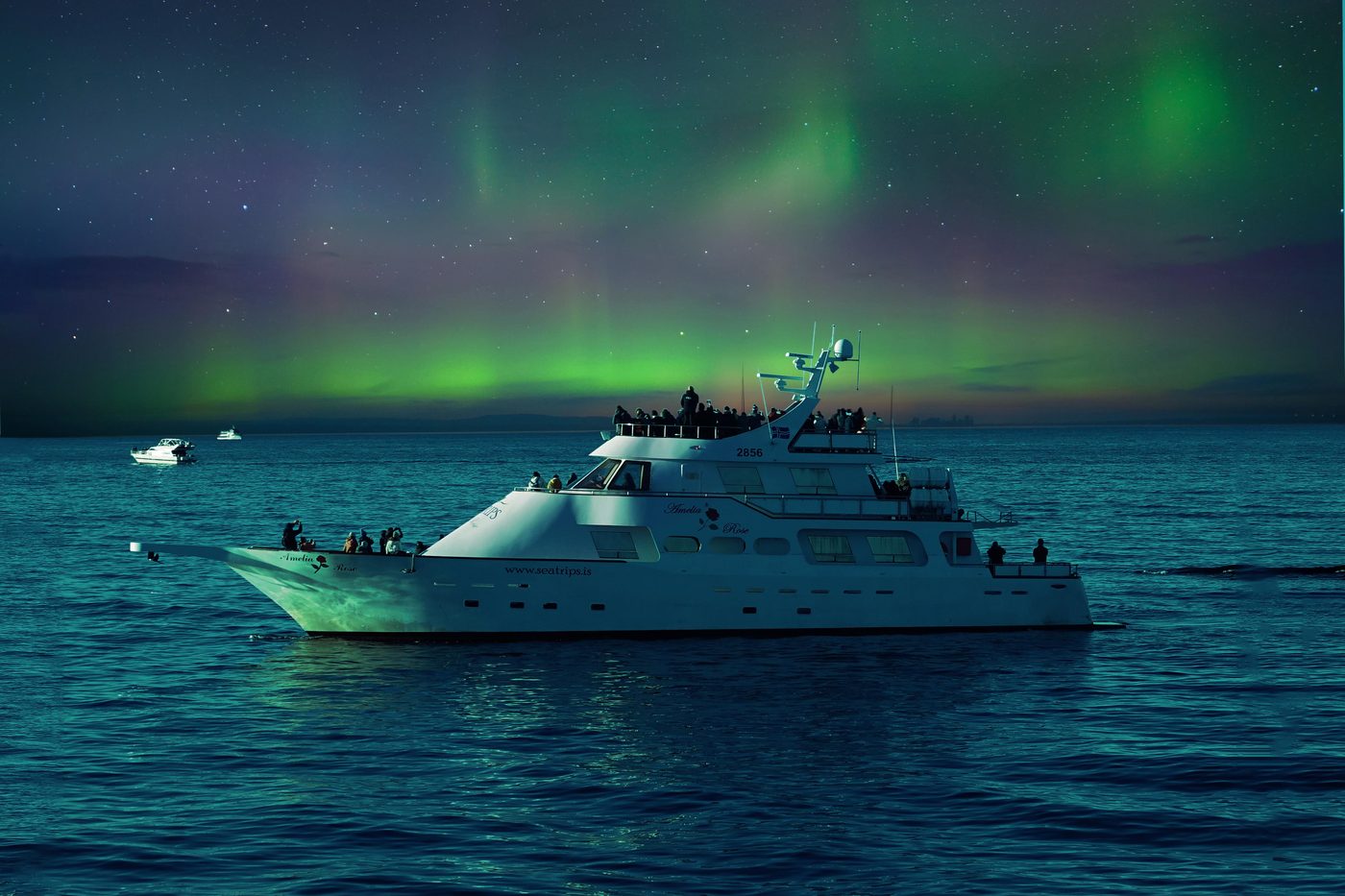
Yacht in Reykjavik harbour at night under the northern lights
Boat

Northern Lights Yacht Tour from the Old Harbour

★★★★★ 4.4 · 1,381 reviews

  • 2 hours
  • from $103
  • Reykjavik pickup

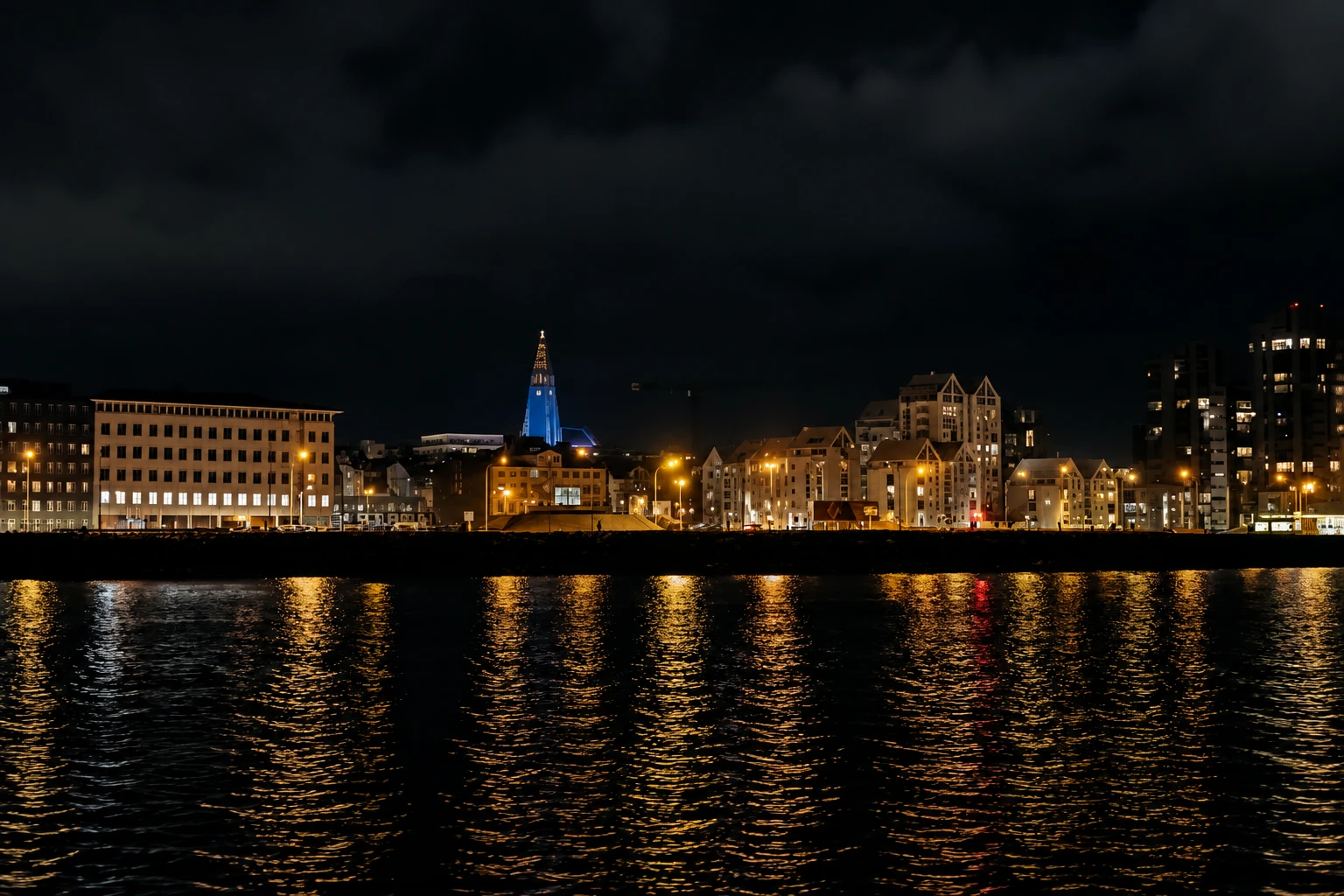
Two hours on a yacht in Faxaflói Bay, sailing away from the city lights with Reykjavik glowing behind you. You walk to the boat instead of riding a bus, there is a heated cabin with drinks for sale, and when the sky is active the view across the water is hard to beat. The catch: a boat cannot drive away from clouds, and the trip is cancelled in rough seas.

Check availability

Questions travellers ask

There is no single best month. February, March, September and October often combine long enough nights with somewhat better weather; December and January have the longest nights but more storms.

No. From May to August the sky does not get dark enough. Tours start again in September.

Often between about 10 pm and 2 am, although they can appear at any time when it is dark.

Iceland is under the auroral oval, so Kp 2 to 3 is often enough when the sky is clear.

Picked your dates? Book an early night